Primary Airframe Categories in Northern Europe
Surviving airframes in Nordic institutions range from World War I fabric-covered trainers to late-Cold War Mach 2 interceptors. Preserving these machines requires an understanding of distinct production eras, structural metallurgy, and synthetic materials.
Nordic collections house four primary operational classes:
- First- to Third-Generation Jet Fighters: Characterized by stressed-skin duralumin construction, early axial or centrifugal turbojet powerplants, and hydraulic flight controls. Examples include the de Havilland Vampire, Hawker Hunter, Saab 29 Tunnan, and Mikoyan-Gurevich MiG-21.
- Short-Takeoff Transport and Utility Aircraft: High-wing twin-engine designs optimized for short gravel runways, winter ski operations, and cargo transport in northern Finland, Norway, and Greenland. Typical types include the Douglas C-47, Noorduyn Norseman, and de Havilland Canada Otter.
- Primary and Advanced Military Trainers: Tandem-seat piston aircraft and basic jets used to train pilot cadets under harsh weather conditions, including the Saab Safir, Fouga Magister, and North American Harvard.
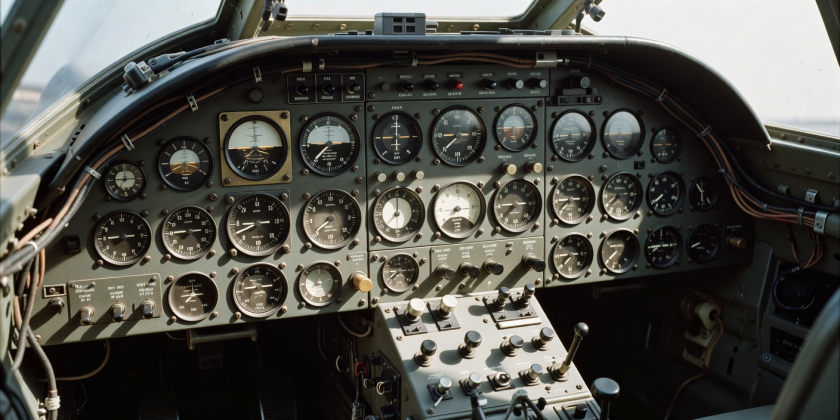
- Sub-assemblies and Sectioned Powerplants: Detached cockpit sections used for ergonomic research, alongside cutaway radial engines and afterburning jet pipes.
Materials and Structural Conservation Challenges
Aircraft preservation differs significantly from ordinary mechanical maintenance. The structural materials used in aviation were engineered for minimum weight and high strength, not century-long endurance.
Aluminium alloys, such as 2024 and 7075 series, are prone to intergranular corrosion and stress-corrosion cracking when exposed to humidity. Magnesium components, often found in wheel hubs, intake castings, and gearbox housings, oxidize into white powder if moisture barriers fail. Piston aircraft with fabric-covered control surfaces require monitoring for tautening dope embrittlement, biological fungus growth, and internal steel tube truss corrosion.
Interpretation Value of Preserved Airframes
Static airframes provide researchers with tangible physical evidence that paper documents cannot convey. Tooling marks, field modifications, non-standard cockpit instrument relocations, and localized structural patches illustrate how squadrons adapted machines to operational realities.
For instance, Swedish airframes often display field-camouflaged splinter patterns applied with synthetic enamel over original zinc chromate primer. Norwegian airframes preserved from Cold War service reveal maritime corrosion prevention sealants applied along rivet lines. These physical markings constitute vital primary historical source material.
Comparative Analysis of Airframe Typologies
| Category | Primary Material | Preservation Risk Factor | Archival Interpretation Value |
|---|---|---|---|
| Early Piston (1920–1945) | Spruce, linen fabric, mild steel | Dry rot, fabric embrittlement, rodent infestation | Early craftsmanship, pioneer aerodynamics |
| First-Gen Jet (1945–1960) | Al-Cu alloys, early plastics | Galvanic corrosion, canopy yellowing/crazing | Transition from prop to turbine systems |
| Supersonic Interceptor (1960–1985) | High-strength Al-Zn, titanium, rubber | Elastomer fuel bladder decay, seal shrinkage | Cold War high-speed aerodynamic design |
| Search & Rescue Rotorcraft | Aluminium, honeycomb composites | Honeycomb moisture ingress, delamination | Arctic survival and remote logistics history |
What to Know When Surveying Collection Rosters
To properly analyze an aircraft inventory entry:
- Confirm Airframe Serial vs. Civilian Registration: Military identity plates (c/n) take precedence over civilian registrations added later during ferry flights.
- Assess Completeness: Note whether the airframe possesses an internal engine, authentic instruments, and ejector seat charges (deactivated), or whether it is an empty shell.
- Examine Paint Authenticity: Determine whether the current exterior livery reflects original squadron service or a post-retirement museum re-spray.
Related Technical Registers
Explore detailed restoration criteria and technical archive registers.
Inquire About Specific Airframe Documentation
Contact our reference desk for production batch numbers, survivorship status, or airframe location coordinates.
Contact Archive Operator